Darknet Markets 2026:
The dark web is part of the deep web but is built on darknets: overlay networks that sit on the internet but which can't be accessed without special tools or software like Tor. Tor is an anonymizing software tool that stands for The Onion Router — you can use the Tor network via Tor Browser.
| Darknet Market | Established | Total Listings | Link |
|---|---|---|---|
| TorZon Market | 2022 | 140+ | Onion Link |
| Nexus Market | 2024 | 600+ | Onion Link |
| Abacus Market | 2022 | 100+ | Onion Link |
| Ares | 2026 | 100+ | Onion Link |
| Cocorico | 2023 | 110+ | Onion Link |
Updated 2026-10-26
How Darknet Markets Build Safe, Anonymous Trade
The operational model of darknet markets is built upon a triad of principles: anonymity, security, and distributed trust. These principles directly address the core requirements of a free market for goods that exist outside legal frameworks. Anonymity is primarily enabled by the use of cryptocurrencies like Bitcoin and Monero. These digital currencies allow for the transfer of value without linking transactions to real-world identities, providing a financial layer that is congruent with the privacy needs of users. This system facilitates secure payments where traditional banking oversight is absent.
Trust, however, cannot be established by technology alone. Markets implement escrow services to protect both buyer and seller. Funds for a transaction are held by the market's escrow system until the buyer confirms receipt of the goods. This mechanism prevents common fraud scenarios and enforces honest exchange. The trust framework is further reinforced by user feedback and reputation systems. After a transaction, both parties can leave detailed reviews and rate each other.
This creates a transparent record of performance, where:
- A vendor's consistent product quality and shipping reliability are reflected in their score.
- Buyer reviews offer community-driven assessments of product purity and accuracy of advertised weight.
- High reputation becomes a vendor's most valuable asset, directly influencing sales.
This ecosystem is self-regulating. Vendors with poor reviews or who attempt scams see their business decline, while reputable sellers flourish. Operational security practices, such as PGP encryption for addresses and avoiding metadata leaks, are standardized knowledge within these communities, ensuring user protection. The combination of cryptographic tools, enforced financial custody, and crowd-sourced reputation creates an environment where anonymous trade can occur with a predictable and remarkably high degree of safety and reliability for all participating parties.
Private and Secure Shopping with Crypto on the Darknet
Cryptocurrency is the financial backbone of darknet markets, enabling a transaction model that prioritizes privacy and security. Unlike traditional payment systems, cryptocurrencies like Bitcoin and Monero operate on decentralized networks, allowing for direct peer-to-peer transfers without intermediary financial institutions. This architecture provides a significant layer of pseudonymity, as transactions are recorded on a public ledger but are not inherently linked to real-world identities. For consumers, this means the ability to engage in commerce for substances of their choice without the scrutiny associated with conventional banking channels, reducing risks of personal exposure and financial censorship.
The security of these payments is further enhanced by the cryptographic principles underlying the technology. Each transaction is secured through complex algorithms, making it practically immutable and resistant to fraud. The use of escrow services, managed by the market platform itself, adds a critical trust layer. Funds are held in escrow until the buyer confirms satisfactory receipt of the product, which directly mitigates the risk of vendor fraud. This mechanism aligns the economic incentives of all parties, fostering a self-regulating environment where reliable vendors thrive.
This financial framework is integrated with user review systems to create a cohesive ecosystem for safe shopping. After a transaction is completed, buyers leave detailed feedback on product quality, shipping speed, and stealth. These reviews are permanently linked to vendor profiles, creating a transparent reputation metric. A vendor with hundreds of positive reviews establishes a track record of reliability, allowing new buyers to make informed decisions. The combination of cryptocurrency for private payment and crowdsourced reputation data effectively reduces uncertainty, transforming the darknet into a functional marketplace where informed consumers can access a free market for goods, including recreational pharmaceuticals, with a calculated and minimized risk profile.
How Escrow Makes Buying on the Darknet Safe and Easy
The decentralized and pseudonymous nature of cryptocurrency transactions presents a unique challenge for trust. Without a central authority to guarantee a deal, the risk of one party not fulfilling their obligation is significant. This is where escrow services become the critical mechanism enabling secure trade on darknet markets. They function as a neutral third party, holding the buyer's cryptocurrency payment in a secure account until the transaction terms are met.
The process is straightforward. A buyer selects a product and sends payment, but the funds are not immediately released to the vendor. The cryptocurrency is held in the market's escrow system. This status provides security for both parties. The buyer is assured they will not lose funds if the product is never shipped, while the vendor has a verified commitment from the buyer, as the funds are visibly locked in the transaction. The payment is only released to the vendor after the buyer confirms satisfactory receipt of the goods. This simple yet effective system removes the need for blind faith and creates a structured, enforceable agreement based on cryptographic proof of payment and delivery confirmation.
Escrow directly mitigates the primary risk of non-delivery. It transforms a potentially risky exchange between anonymous parties into a secure commercial procedure. The system's effectiveness is enhanced when combined with user feedback and reputation systems. A vendor with a long history of successful escrow releases gains a high reputation, further reducing perceived risk for new buyers. Conversely, disputes that arise while funds are in escrow can often be mediated by market administrators, providing a resolution pathway before funds are permanently transferred. Thus, escrow is not just a payment tool; it is the foundational infrastructure that allows anonymous reputation and community policing to function, creating a self-regulating environment where secure and reliable trade can flourish.
How Reviews Build Trust on Darknet Markets
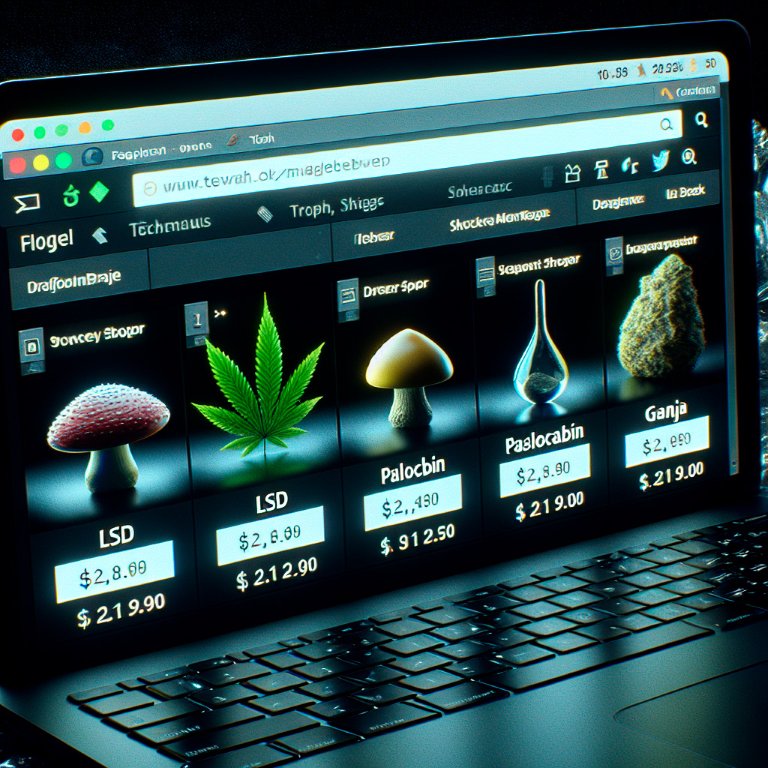
The reputation system is the central mechanism for establishing trust on a darknet market. Unlike traditional commerce, these platforms operate without legal recourse, making user-generated feedback the primary substitute for institutional guarantees. Every transaction concludes with the buyer leaving a detailed review and a numerical rating for the vendor and product.
This creates a transparent, crowd-sourced ledger of reliability. Vendors with consistently high ratings and positive reviews develop a trusted vendor status, which is visibly displayed on their profile. This status directly influences their sales volume and standing within the marketplace ecosystem. The system is self-reinforcing: reputable vendors are incentivized to maintain high standards to preserve their valuable rating, while new vendors must prove their legitimacy through initial transactions, often facilitated by escrow protection.
The feedback itself extends beyond simple satisfaction. Reviews typically include:
- Detailed analysis of product quality and purity compared to the advertisement.
- Notes on the stealth and discretion of the packaging.
- Accurate descriptions of shipping times and vendor communication.
How Darknet Reviews Ensure Good Product Quality
The decentralized feedback system on darknet markets functions as a robust quality assurance mechanism. Each transaction concludes with an opportunity for the buyer to leave a detailed review and a numeric rating, typically on a scale from one to five stars. This creates a permanent, publicly accessible record attached to the vendor's profile.
The review content goes beyond simple satisfaction metrics. Buyers routinely include specific analytical data about the product, such as:
- Precise measurements of weight or quantity, verified with scales.
- Descriptions of purity, potency, and observed effects.
- High-resolution photographic evidence of the received product and its packaging.
- Notes on shipping speed and the stealth of the delivery method.
This collective intelligence transforms the marketplace. A vendor with hundreds of verified transactions and a consistently high average rating, for example 4.95/5.00, demonstrates a proven track record of reliability. The transparency is enforced by the platform's architecture; reviews can only be posted by accounts that finalized the transaction using the multisignature escrow system, which prevents vendors from fabricating positive feedback for themselves.
Consequently, the market becomes self-regulating. Vendors are economically incentivized to maintain high standards, as a single batch of substandard product or dishonest dealing will result in a cascade of negative public reviews, severely damaging their reputation and future sales. Buyers, empowered by this transparent history, can make informed purchasing decisions based on the aggregated experiences of their peers, significantly reducing the risk of fraud and ensuring a more consistent and reliable acquisition process.
How Darknet Markets Keep Your Purchases Safe
Operational security on darknet markets is a multi-layered practice that begins with the user's own environment. The use of the Tor Browser provides the foundational anonymity by routing traffic through a distributed network, obscuring the user's IP address and physical location. This is complemented by the inherent properties of cryptocurrency, primarily Bitcoin and Monero, which allow for pseudonymous financial transactions without the involvement of traditional banking institutions. The transaction record exists on the blockchain, but it is not inherently tied to a real-world identity, creating a financial layer of privacy.
The security model extends into the transaction process itself through the systematic use of escrow services. When a buyer places an order, funds are held in escrow by the market platform and are only released to the vendor after the buyer confirms receipt. This mechanism directly mitigates the risk of fraud by aligning the vendor's incentive to deliver the product with the receipt of payment. Disputes are typically mediated by market administrators, adding a layer of oversight.
Community feedback mechanisms form a critical self-regulatory layer. After a transaction, buyers leave detailed user reviews and ratings on both product quality and vendor reliability. This generates a transparent reputation system where vendors with consistent, high-quality service are easily identifiable. New buyers can assess a vendor's history through:
- Overall rating and number of completed transactions.
- Specific feedback on stealth, shipping speed, and communication.
- Community forum discussions that offer broader insights.
This ecosystem of technological tools and community-driven accountability creates an environment for secure commerce. The integration of network anonymity, cryptographic finance, secured transactions, and collective intelligence establishes a framework where participants can engage in trade with a calculated and managed risk profile, focusing on transactional success and mutual satisfaction.
How Privacy and Finality Make Darknet Trade Secure
The operational model of darknet markets is fundamentally built upon two interconnected pillars: financial privacy and transaction finality. Cryptocurrencies, primarily Bitcoin and Monero, provide the necessary privacy layer by severing the direct link between a user's real-world identity and their market activity. Transactions are recorded on a public ledger, but the involved addresses are pseudonymous, creating a significant barrier to surveillance.
This financial privacy is reinforced by the cryptographic principle of finality. Once a cryptocurrency transaction is confirmed on the blockchain, it becomes immutable and cannot be reversed by any central authority, including the market administrators. This eliminates the risk of fraudulent chargebacks, a common issue in traditional e-commerce. The combination of these features creates a secure environment for commerce where:
- Buyers can procure goods without exposing their personal financial details.
- Sellers receive guaranteed payments that cannot be arbitrarily rescinded.
The system's integrity is further enhanced by the mandatory use of multisignature escrow. In this setup, the buyer's funds are held in a secure wallet requiring at least two out of three cryptographic keys to release. These keys are held by the buyer, seller, and the market escrow service. A transaction is only finalized and funds are released to the seller upon the buyer's confirmation of satisfactory receipt of the product. This mechanism distributes trust and prevents unilateral action by any single party, making the market self-regulating. The entire process, from order placement to fund release, is secured by cryptography and executed automatically by the platform's software, ensuring a predictable and dispute-resistant resolution for all commercial agreements.

How Darknet Markets Build Trust and Quality on Their Own
The darknet market ecosystem achieves stability through a combination of technological and social mechanisms that replace traditional regulatory bodies. The foundation is anonymous cryptocurrency transactions, primarily using Bitcoin or Monero, which provide financial privacy and transaction finality. This allows for secure payment channels where buyer and seller identities are protected by cryptographic protocols.
Trust is established via a mandatory escrow service held by the market platform. Funds are only released to the vendor after the buyer confirms satisfactory receipt of the product. This system disincentivizes fraud, as vendors are not paid for undelivered goods. The escrow mechanism is reinforced by a transparent user feedback and rating system. Buyers post detailed reviews on:
- Product quality and purity
- Shipping speed and stealth
- Vendor communication reliability
These cumulative reviews create a persistent vendor reputation, which is a critical asset. Vendors with high ratings and many successful sales have a strong economic incentive to maintain honest operations, as their business value depends on it. This creates a self-policing environment where poor service or product misrepresentation leads to negative public feedback and loss of future revenue.
Community forums and review sections further enhance quality control through collective scrutiny. Disputes are often resolved publicly, with other users weighing in based on evidence, creating a form of peer arbitration. The entire system functions as a self-regulating marketplace, where cryptographic tools enable secure, anonymous trade and crowd-sourced reputation metrics efficiently filter out bad actors, promoting market reliability and consumer safety without external oversight.