Darknet Markets 2026:
The dark web is part of the deep web but is built on darknets: overlay networks that sit on the internet but which can't be accessed without special tools or software like Tor. Tor is an anonymizing software tool that stands for The Onion Router — you can use the Tor network via Tor Browser.
| Darknet Market | Established | Total Listings | Link |
|---|---|---|---|
| TorZon Market | 2022 | 140+ | Onion Link |
| Nexus Market | 2024 | 600+ | Onion Link |
| Abacus Market | 2022 | 100+ | Onion Link |
| Ares | 2026 | 100+ | Onion Link |
| Cocorico | 2023 | 110+ | Onion Link |
Updated 2026-10-26
How to Shop Anonymously for Drugs on the Darknet
The operational security of darknet markets is fundamentally built upon the integration of cryptocurrency and encryption. These technologies work in tandem to create a transactional environment that prioritizes user privacy and financial autonomy. Cryptocurrencies like Bitcoin and Monero serve as the payment medium, functioning without the need for traditional banking infrastructure. This removes the direct link between a user's legal identity and their purchase history, as transactions are recorded on a public ledger but under pseudonymous wallet addresses.
To further enhance privacy, markets employ end-to-end encryption for all communications. When a buyer contacts a vendor, their messages are encrypted so that only the intended recipient can read them. This system, often facilitated by PGP keys, ensures that even market administrators cannot access the content of private negotiations or sensitive shipping details. The combination of encrypted communication and cryptocurrency payment creates a secure channel for commerce.
The process is streamlined for the user:
1. Cryptocurrency is acquired from an exchange.
2. Funds are transferred to a private wallet controlled by the user.
3. The exact amount is sent from the user's wallet to the market's escrow system.
Escrow is a critical trust mechanism. The buyer's funds are held by the market platform until the product is received and confirmed. Only then is the payment released to the vendor. This protects the buyer from fraud and incentivizes the vendor to fulfill the order satisfactorily. The entire financial cycle is settled on the blockchain, independent of state-controlled financial systems, which provides a practical solution for individuals seeking access to regulated or prohibited goods in their jurisdiction.
How Crypto and Encryption Make Darknet Trade Safe
The operational security of darknet markets is fundamentally built upon two technological pillars: cryptocurrency and encryption. These systems work in tandem to create a financial environment where transactions are both pseudonymous and secure, separating a user's financial activity from their real-world identity.
Cryptocurrencies like Bitcoin and Monero are the primary mediums of exchange. Their decentralized nature means no central bank or payment processor can freeze accounts or reverse transactions. While Bitcoin offers a high degree of pseudonymity, its public ledger allows for advanced blockchain analysis. This has led to a preference for privacy-centric coins like Monero, which uses advanced cryptographic techniques to obfuscate transaction details, making the sender, receiver, and amount truly private.
Financial privacy is only one part of the equation. Communication and transaction coordination are protected by strong encryption. Buyers and vendors do not exchange plaintext addresses or sensitive details directly. Instead, all critical communication is secured using PGP encryption. A buyer encrypts their delivery address with the vendor's public PGP key, ensuring that only the vendor, with their private key, can decrypt it. This process protects user data even from the market administrators themselves.
The transaction flow integrates these elements into a secure sequence:
- A buyer funds their market account wallet, often using a mixing service or privacy coin for an additional layer of separation.
- Upon ordering, the buyer submits an encrypted shipping address. The payment is held in escrow by the market, not released to the vendor until the buyer confirms receipt.
- This escrow system, secured by multisignature cryptocurrency technology in some cases, reduces fraud by ensuring the vendor only receives payment after fulfilling their part of the agreement.
The combination of pseudonymous currency and mandatory encryption creates a robust framework for safe commerce. It minimizes the risks associated with traditional online payments, such as chargeback fraud and identity exposure, while providing a clear, dispute-resolved process that fosters reliable trade between distant, anonymous parties.
A Wide Selection for Every Need on the Darknet
The product catalog on darknet markets is vast and specialized, directly enabled by the core technologies of cryptocurrency and encryption. These tools create a transactional environment where privacy is the default, allowing for the sale of goods that are restricted or heavily regulated on the clear web. The most prominent category is recreational and pharmaceutical drugs, which are listed with a level of detail comparable to legitimate e-commerce. Vendors provide specifications on strain, purity, dosage, and chemical composition, enabling informed consumer choice. This market efficiency provides a safer alternative to unregulated street purchases, where product quality is unknown and transactions carry physical risk.
Beyond this, the markets host a wide array of digital and physical goods.
Digital products include:
- Software exploits and zero-day vulnerabilities
- Forged documents and digital identities
- Access credentials to subscription services and compromised accounts
- Counterfeit currency and high-quality forged documents
- Electronics, often acquired through fraud
- Specific legal items that buyers wish to purchase anonymously for personal reasons
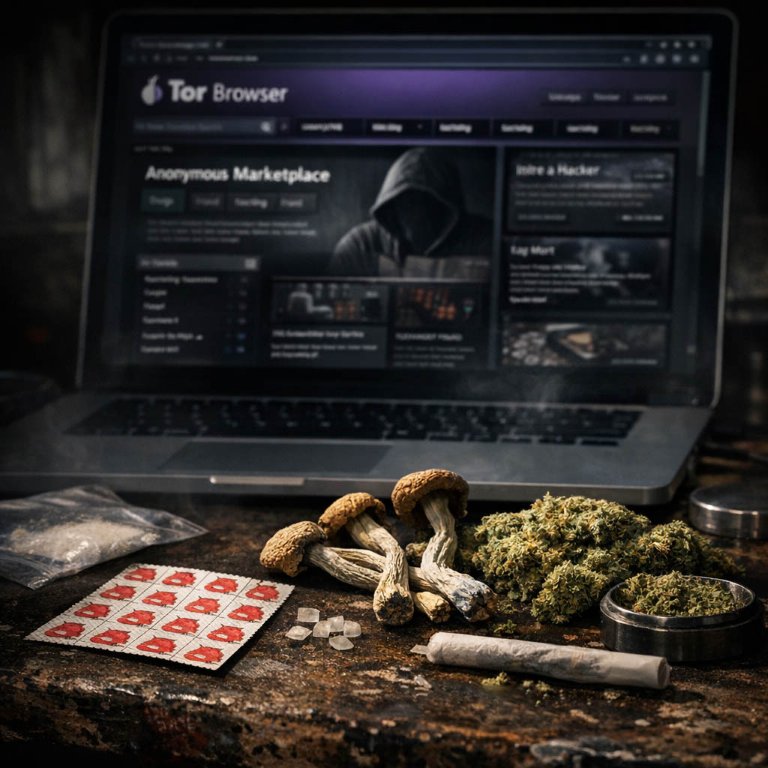
How Darknet Reviews Check Quality and Build Trust
User reviews on darknet markets function as a decentralized quality assurance mechanism. They provide direct, peer-generated feedback on product accuracy, shipping speed, and vendor communication. This system replaces traditional consumer protections with a transparent, crowd-sourced record of transactions.
A buyer considering a purchase examines the review history for consistency. Positive reviews that detail specific experiences, such as product weight or potency matching the description, build transactional trust. Negative reviews highlight potential issues like inferior quality or slow delivery, allowing others to make informed decisions. This collective verification process directly checks product quality before a purchase is made.
The structure of feedback often includes:
- Product-specific comments on purity and accuracy.
- Operational details like stealth packaging effectiveness.
- Vendor responsiveness in resolving issues.
This creates a self-regulating environment where vendors maintain high standards to preserve their reputation, and buyers gain a reliable method to verify quality and service, enabling safer and more predictable anonymous shopping.
How Vendor Ratings Make Buying Safer on the Darknet
The vendor reputation system is the cornerstone of trust and safety on darknet markets. It functions as a decentralized, community-driven verification process. Each transaction concludes with a buyer leaving detailed feedback and a numerical rating, typically on a scale from one to five stars. This cumulative data creates a transparent vendor profile that all potential buyers can assess before committing to a purchase.
These systems help buyers by aggregating historical performance data. A vendor's overall score and written reviews provide insight into product quality consistency, shipping reliability, and communication effectiveness. High-volume vendors with thousands of positive reviews establish a track record that reduces the perceived risk for new customers. The feedback often includes specifics on stealth packaging, delivery times, and product potency, offering a practical quality check that is otherwise absent in anonymous commerce.
The mechanism extends beyond simple reviews. Most platforms implement an escrow service, where the buyer's cryptocurrency is held by the market until the product is received and confirmed. Only then is the funds released to the vendor. This process is intrinsically linked to reputation; a vendor with a high rating is more likely to receive orders where funds are released early by trusted buyers, facilitating faster business turnover. Dispute resolution systems, often mediated by market moderators, further rely on a vendor's historical behavior and feedback to adjudicate fairly.
For the buyer, this creates a safer shopping environment. The need to maintain a high reputation incentivizes vendors to provide accurate product descriptions and reliable service. A vendor with a poor or new reputation must often offer lower prices or smaller quantities to attract initial business and build their score. This self-regulating ecosystem, powered by cryptocurrency's irreversible transactions and the permanence of feedback, effectively replaces the trust traditionally provided by legal frameworks with a transparent, crowd-sourced alternative.
How Darknet Markets Work Safely
The operational stability of a darknet market is a direct function of its architectural design, which is engineered to facilitate secure and private transactions. This design integrates several core components that work in concert. The foundation is anonymity through encryption. All communications between users and the market are routed through the Tor network, which obfuscates IP addresses. Furthermore, every interaction on the platform, from browsing listings to sending messages, is protected by end-to-end encryption, often using the PGP standard. This means that only the intended recipient, whether a vendor or buyer, can decrypt and read the content, making intercepted messages useless to outside parties.
The financial layer is built exclusively around cryptocurrency, primarily Bitcoin and Monero. Transactions are not linked to real-world identities, providing a layer of financial privacy. To enhance this, markets employ a multi-signature escrow system. When a purchase is made, the buyer's cryptocurrency is held in a secure, third-party escrow account controlled by a smart contract. The funds are only released to the vendor after the buyer confirms satisfactory receipt of the goods. This system removes the need for blind trust and significantly reduces the risk of fraud, as the vendor cannot access the payment without fulfilling their part of the agreement.
This technical infrastructure enables a self-regulating commercial ecosystem. Trust is not assumed but is built and verified through transparent feedback mechanisms. Every transaction can culminate in a detailed review and a rating for both product and vendor. These user reviews and reputation scores become critical data points for future buyers, creating a powerful incentive for vendors to maintain high standards of product quality and reliable shipping. A vendor with a long history of positive feedback is inherently more trustworthy, and this reputation is directly tied to their commercial success on the platform. The design, therefore, automates quality control through collective user experience rather than centralized authority.
The market's interface itself is designed for clarity and dispute resolution. Listings include standardized fields for product details, shipping options, and expected delivery times. Should a transaction deviate from the agreement, a formal dispute resolution process is initiated. In this process, the market's moderators review the encrypted communication and evidence provided by both parties before adjudicating the release of escrow funds. This structured approach to conflict resolution provides a clear protocol for handling issues, maintaining order and fairness without compromising the anonymity of the involved parties.
How Darknet Markets Keep Shopping Private and Secure
The operational resilience of darknet markets is fundamentally tied to their use of cryptocurrency and encryption, which together create a secure environment for private shopping. These technologies address the core requirement of transactional anonymity, allowing platforms to function and adapt despite external pressures.
Cryptocurrencies like Bitcoin and Monero are essential because they operate on decentralized networks. Payments do not require personal banking details, severing the direct link between a user's legal identity and their market activity. This financial privacy is a primary reason these platforms can serve users seeking discretion. To further enhance security, markets employ a multisignature escrow system. In this setup, funds are held in a neutral wallet until the buyer confirms satisfactory receipt of the product. This mechanism:
- Protects buyers from fraudulent vendors who might not ship items.
- Protects vendors from dishonest buyers who might falsely claim non-receipt.
- Distributes trust, preventing any single party from controlling the funds.
End-to-end encryption secures all communication. When a buyer contacts a vendor or submits an order, the message is encrypted so that only the intended recipient can read it. This prevents interception of sensitive data, such as shipping addresses. The combination of encrypted communication and cryptocurrency transactions creates a layered privacy model. The market itself does not need to know or store the real identities of its participants, which simplifies its operational security and allows it to focus on maintaining service reliability. This technical foundation enables darknet markets to persist and adapt, consistently providing a practical and secure avenue for anonymous commerce.
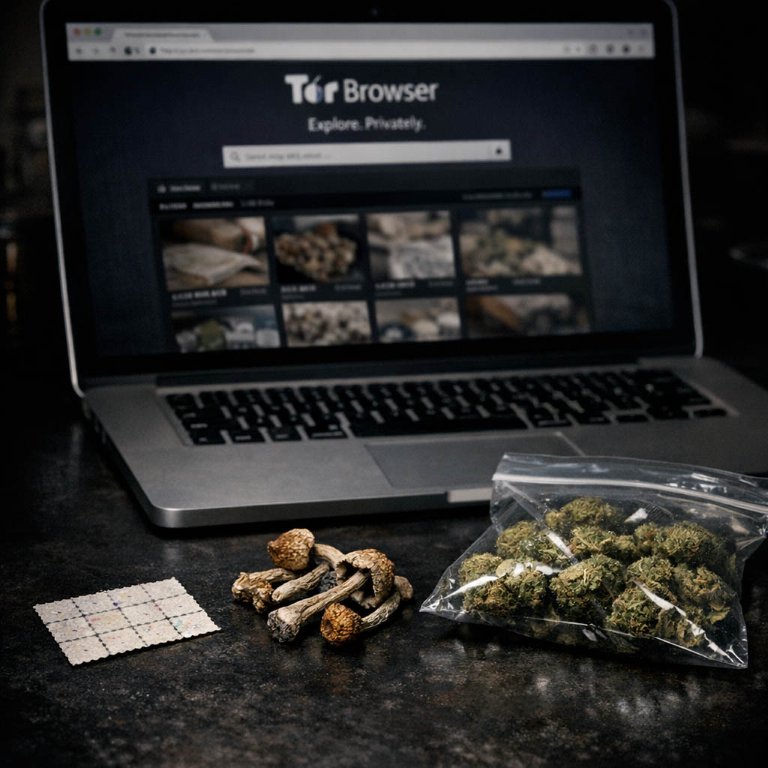
How Darknet Markets Offer Safe and Private Shopping
Darknet markets provide a practical framework for conducting transactions that prioritize privacy and security. The core mechanism enabling this is the integration of cryptocurrency and encryption. Cryptocurrencies like Monero or Bitcoin facilitate pseudonymous payments, separating financial activity from personal identity. This financial layer is secured by the market's mandatory use of PGP encryption for all communication, ensuring that order details and addresses remain confidential between buyer and vendor.
The resulting environment supports safe shopping by minimizing exposure. Buyers are not required to submit sensitive personal data, and the financial trail is obscured. This model is particularly valued for the trade in regulated pharmaceuticals, digital goods, and other items where individuals seek discretion. The system's design addresses a demand for autonomous commerce with reduced risk of personal data exposure or financial profiling.